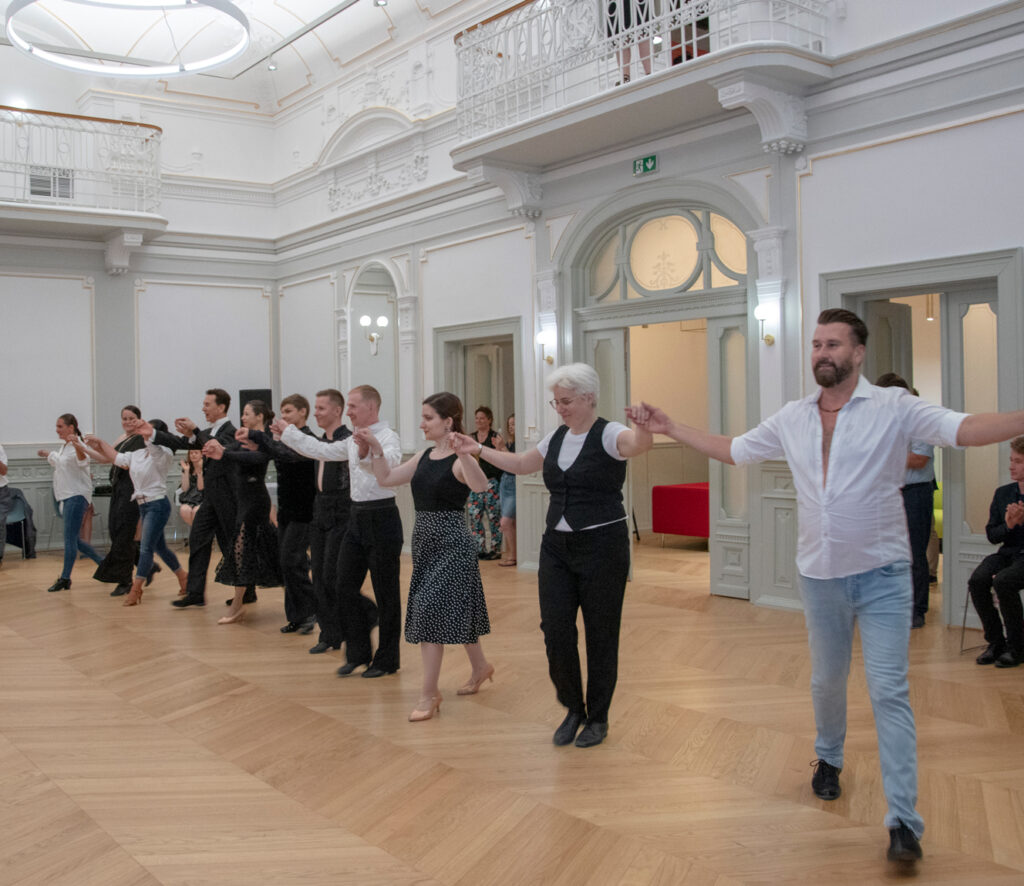
Charme Hungary Dance Club has been a same-sex competitive dance club since 2009. Our mission is to make ballroom and competitive dance accessible to the LGBTQ+ community and to provide a safe, welcoming space within this sport.
We believe dance belongs to everyone, and that anyone should be free to dance as a leader or a follower.
We care deeply about creating meaningful leisure experiences, nurturing community life, and offering a positive, cultured space where people can connect through dance.
Alongside our regular classes, we also organise dance evenings, summer dance camps, and, whenever possible, represent our community at international dance competitions.
We warmly welcome everyone joining our classes and all those who would like to become part of the Charme Hungary community.
Our Teachers and Mentors
Vyshetravskaya Margarita
Standard and Latin dance instructor
Robbie Tristan
Standard and Latin dance instructor
Rencsisovszki Bea
Standard and Latin dance instructor
Discover the Dance Styles You Can Learn with Us
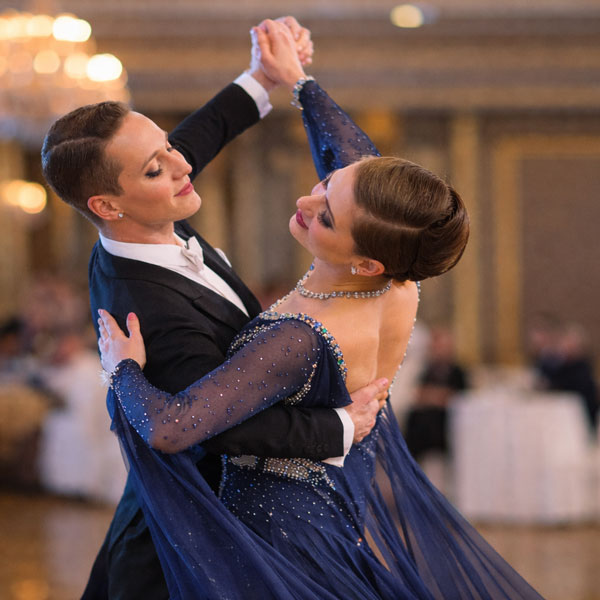
Standard Dances
These are the traditional, elegant ballroom dances that convey refinement, glamour, and a touch of aristocratic grace. Standard dances have been part of competitive dance since the 1920s. This category includes the Waltz, Viennese Waltz, Tango, Foxtrot, and Quickstep.
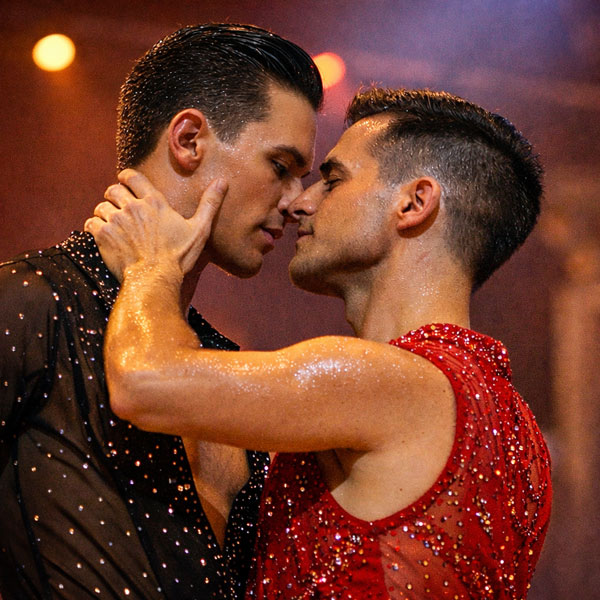
Latin Dances
Latin American dances have roots in Africa and reached Europe in the 1920s and 1930s. Dances such as Samba, Rumba, and Cha-Cha-Cha took their competitive form in the mid-20th century. Compared to the classic English style of Standard dances, Latin is characterised by open hold, less body contact, and more expressive hip and pelvic movement.
This group includes Cha-Cha-Cha, Rumba, Jive, Samba, and Paso Doble. Latin dances generally do not require a large dance floor, so they can be enjoyed even in smaller spaces. (With samba as the main exception.)
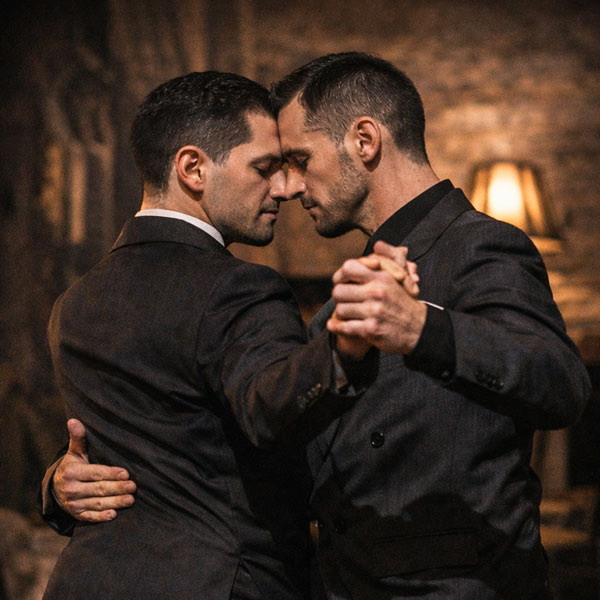
Argentine Tango
Argentine Tango is a partner dance and musical tradition originating in Argentina and Uruguay, which developed in the early decades of the 20th century. Over time, it has evolved into many different styles shaped by local customs, culture, and changing social views.
At its heart, tango is about moving together with a partner in close connection to the music, which is why musicality plays such an important role.
Argentine Tango is highly improvisational. It does not have one fixed basic step, although many recognised dancers and teachers have developed step combinations over the years that later became part of the tradition.